

Roospin Casino live casino tables where dealers stream real-time action


Roospin Casino live tables and the appeal of real-time play
At Roospin Casino, live dealer tables are the part of the lobby where the pace changes almost immediately. Slot players are used to pressing a button, seeing a result, and deciding whether to spin again. At a live blackjack or roulette table, there is a person on screen, a real wheel or deck in front of them, and a short window in which everyone needs to place a bet. Some players find that small pause unexpectedly absorbing. Others discover that it asks more attention than they expected.
Visitors who first arrive through Roospin Australia often notice that the live section does not feel like a single game category. It is closer to a collection of small rooms, each with its own dealer, table limit, camera angle, chat rhythm, and crowd. A newcomer may open roulette expecting a familiar layout, then spend a few extra minutes watching the dealer greet players, clear chips, and wait for the next round to begin. That human element is the point, although it can also make the experience feel less instant than slots.
Live tables are not simply slots with a dealer on camera. They work around actual rounds, visible procedures, and a shared timetable that players cannot fully control.
What players encounter when the live lobby opens
The first live-casino screen can look busy. There may be tiles for blackjack, roulette, baccarat, game shows, poker-style games, and tables carrying labels such as “VIP,” “speed,” or “low limits.” Those labels matter, but not always in the way newcomers assume. A speed table is not necessarily better, it is simply less forgiving of hesitation. Players who like to look over a betting layout, check their balance, or wait for a round to make sense often report feeling more comfortable at a standard-paced table.
At most tables, the dealer is streaming from a studio rather than from a public casino floor. The studio has a polished, controlled look: bright felt, crisp signage, overhead lights, and sometimes a background designed to resemble a high-end venue. That may seem theatrical, and it is. Yet the cards, wheel, ball, dice, or other physical equipment remain visible. For players who prefer seeing an outcome unfold rather than receiving it as a graphic, the distinction has some weight.
A typical observer sees two layers at once. On one side, the live video shows the dealer conducting the game. On the other, the digital interface records bets, totals, histories, and account balance. This blend is central to live casino play. The dealer does not reach through the screen to collect a digital chip, naturally, but the interface mirrors the procedure quickly enough that the game often feels connected rather than split in two.
- Blackjack tables tend to attract players who want decisions during a hand, even if those decisions are limited to familiar choices such as hit, stand, split, or double.
- Roulette tables often appeal to people who enjoy a visible wheel, varied bet placements, and a brief anticipatory pause before the ball settles.
- Baccarat tables are often quieter in practical terms, because many rounds involve choosing a side and watching the cards determine the result.
There is also a small social current running through the live lobby. The chat function can be busy, silent, friendly, repetitive, or mildly distracting depending on the table. Some users say they like a dealer acknowledging a birthday or answering a simple game-related question. Others mute chat almost immediately. Neither reaction is unusual. The camera is live, but the experience remains personal, and players choose how much of the room they want to let in.
The studio is built to make every movement readable
A live casino studio has a practical job beyond looking attractive. It has to make each relevant action easy to see. Dealers present cards toward the camera, roulette wheels are filmed from angles that show the spin and final pocket, and table layouts are kept tidy because visual confusion would damage the whole experience. It is not quite the same atmosphere as standing beside a table in a land-based venue, where someone may hear chips clicking and people talking nearby. Still, many players describe the studio as calmer and more focused.
The technology underneath it is easy to overlook when everything runs smoothly. Optical recognition systems and table sensors help translate physical outcomes into the online interface. A card shown by a dealer becomes a displayed total. A roulette ball landing in a numbered pocket becomes a result on the screen. Players do not need to understand every technical layer, but they do tend to notice the benefit when the information appears clearly and without a long delay.
A camera angle can change the whole table mood
The best live tables usually avoid making the camera feel restless. There may be a wide shot while bets are open, then a closer angle for dealing or the roulette spin. That change seems minor, but it shapes how present the game feels. When the video is too distant, players may feel they are watching an advertisement. When it is overly dramatic, the game can feel oddly forced. A balanced table simply lets the procedure speak for itself.
Some studios also use multiple feeds, statistics panels, recent-result strips, and animated overlays. These can be useful, especially for a player who is still learning where outcomes appear. But experienced users occasionally turn off what they can or choose simpler tables. They often say that a clean view of the dealer and the layout is enough. The extra decoration is not necessarily a problem, it just does not suit every session.
Small detail, real effect: a dependable stream matters more than elaborate studio décor. Players generally react well when the betting timer, video feed, and on-screen result feel synchronized.
Pacing is where live dealer games feel most different
Live games move in rounds. That sounds obvious, but it changes behaviour. A slot player can take a pause after any spin, switch stakes in a second, or move to another title with no one waiting. At a live table, there is a cycle: bets open, bets close, the dealer performs the action, the result is confirmed, and the next round starts. Players who arrive halfway through may need to wait a moment before joining. For some, that wait is mildly irritating. For others, it is a useful chance to watch.
The phrase betting window is often encountered early. It refers to the period before the dealer closes betting. In roulette, this can be a short stretch while players place chips on the virtual layout. In blackjack, it happens before cards are dealt. The screen may show a countdown, and the dealer may announce the closing point aloud. Newcomers sometimes try to make a decision at the very last second, then discover their wager was not accepted in time. It is an ordinary part of learning the rhythm.
This pacing can create a sense of occasion around every round. A roulette spin is not just an animation, it has a beginning, a visible movement, and a finish that everyone at the table shares. In blackjack, the dealer’s tempo makes the hand feel more deliberate. There is room to react, though perhaps not enough room for someone who dislikes even small moments of suspense.
- Watch one complete round before betting. It helps players see where the timer appears, how the dealer signals a change, and where the result is displayed.
- Start with an amount that feels unremarkable. A cautious first wager gives a newcomer space to learn the interface without treating the first round as a test of nerve.
- Check the table limit before becoming absorbed. Minimums and maximums can vary, and a table that looks inviting may not match a particular budget.
- Take the timer seriously. A missed betting window is not a technical failure by default, it is often just the table following its normal sequence.
Dealers contribute to the pace, but they are not there to rush players into decisions. Their work is procedural: opening and closing bets, handling cards or equipment, announcing results, and keeping the table organized. Some are more conversational than others. A lively dealer can make a quiet game feel warmer, while a reserved dealer may appeal to players who prefer little chatter. The personal preference here is surprisingly strong.
Standard tables versus speed tables
Speed tables can be appealing after a player has settled into the basics. They reduce the pauses between rounds and are often chosen by users who already know exactly what they want to bet. Yet fast play is not automatically more entertaining. Several regular live-casino players describe standard tables as more comfortable because they provide a moment to check a decision. The slower pace can feel less exciting at first, then more sustainable after twenty or thirty minutes.
| Table style | What players usually notice | Who may prefer it |
|---|---|---|
| Standard live table | More time between stages, clearer room to follow the dealer’s procedure | Newcomers and players who value a measured pace |
| Speed table | Shorter betting periods and quicker transitions between rounds | Players already comfortable with the game interface |
| VIP or higher-limit table | Often a more polished setting, with limits that require careful checking | Users who have intentionally set aside a larger entertainment budget |
Why a live table does not feel like a slot session
Slots and live dealer games both sit within an online casino, but the player experience can be very different. Slots are usually built around instant feedback. They may have themes, bonus rounds, soundtracks, expanding symbols, and a stream of visual prompts. A person can play silently and privately, almost at any pace they choose. The game itself does not wait for a dealer, other players, or a physical process on camera.
Live tables ask players to look outward. Even when nobody uses chat, there is a shared event taking place. The dealer turns over the card for everyone. The roulette wheel spins for everyone. That shared timing makes wins and losses feel more noticeable to some players. It can make a modest result feel like part of a moment, which is pleasant, but it can also encourage people to remain seated longer than intended. That is worth recognizing plainly.
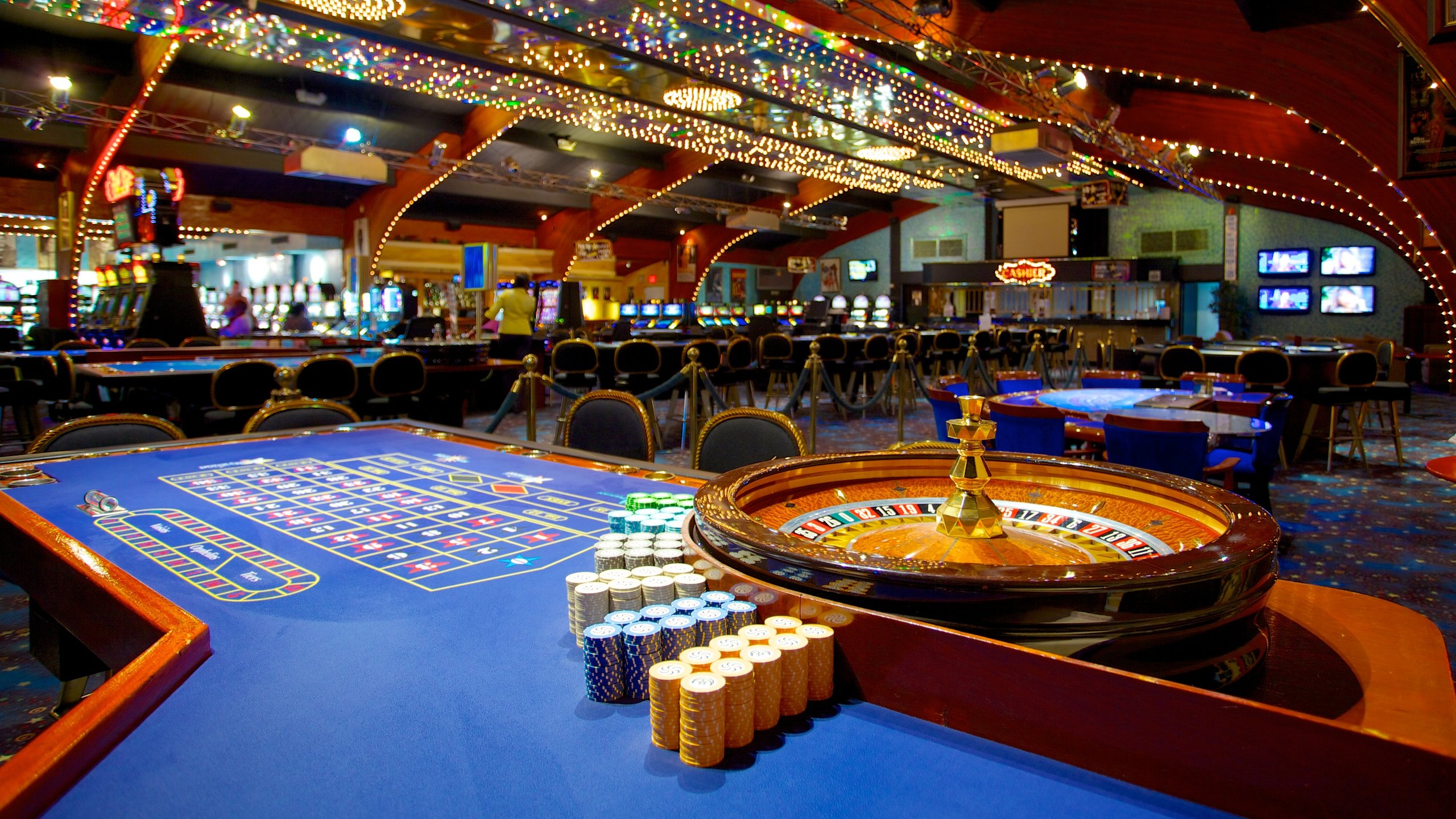
The decision-making element is another difference. Not every live game requires much strategy, and no decision removes the house edge or guarantees an outcome. Still, blackjack presents choices that slots generally do not. Roulette presents a large betting board that invites players to think about coverage, individual numbers, colours, or sections. Baccarat is simpler in many ways, yet players may still develop rituals around choosing banker, player, or tie. These habits can make the games feel more involving, even when the mathematics remains indifferent to rituals.
- Slots usually offer an immediate start and a highly individual pace.
- Live tables revolve around a visible shared round and a dealer-led sequence.
- Slots often deliver more animation, while live tables tend to place more emphasis on procedure and atmosphere.
- Both formats involve chance, and neither should be approached as a way to solve financial pressure.
Some players move between the two formats during one visit. They might play a few slot rounds while waiting for a preferred live table, then return to slots when they want less concentration. This does not need to be treated as a strict choice. The useful distinction is knowing what kind of session is beginning. A person looking for quiet, quick entertainment may prefer slots. Someone wanting a more deliberate, social-looking experience may settle at a live table.
There is no reliable pattern hidden in recent results. A roulette history display may be interesting to watch, but it does not predict where the next ball will land.
Choosing a table is part of the experience
A useful first decision is not which bet to place, but which table to open. The live lobby can make every option look equally accessible, although the practical differences are substantial. A player who wants to spend a limited amount may be better served by a lower-minimum standard table than by a glamorous high-limit room. Likewise, a person who is new to blackjack may prefer a table that clearly displays decisions and allows enough time to make them.
It can help to treat the first few minutes as observation rather than participation. There is no requirement to bet immediately. Watching a dealer complete a roulette round, noticing when the interface locks, and seeing how winners are shown may remove much of the uncertainty. Players who do this often say the table feels simpler afterward. Perhaps that is because the process has become familiar, not because the game itself has changed.
The details worth checking before a first wager
- The minimum and maximum stake shown for that specific table.
- Whether the game is standard, speed-focused, or presented with extra side bets.
- The quality of the stream on the player’s device and connection.
- The rules panel, especially where blackjack variants or roulette options differ from the familiar version.
Side bets deserve a quiet mention because they can be visually prominent at some live tables. They often appear as colourful circles or separate betting spots beside the main wager. Their names can sound inviting, and that is part of the design. Players who are unsure what one does are generally better off reading the explanation before selecting it. The main game is already enough for a first session.
- Set a session amount in advance. It should be money a player is comfortable treating as entertainment spending.
- Choose one game and one pace. Constantly jumping between fast tables can make it harder to notice how much has been spent.
- Use a natural stopping point. The end of a planned number of rounds, a chosen time, or a budget limit can all serve this purpose.
A more measured way to enjoy real-time casino action
The realism of live dealer play is its attraction, but it can also make sessions feel more immediate than an ordinary game screen. A dealer smiles, the cards are dealt, chat messages appear, and another round begins. It is easy to think, “just one more,” particularly when the next betting window opens almost as soon as the last result is displayed. Players who enjoy this format over time usually find some way to interrupt that automatic momentum.
A break does not have to be dramatic. Closing the table after a set period, turning off sound, or stepping away between rounds can be enough. Gambling remains chance-based entertainment, and losses should never be chased. If a player is irritated, tired, or attempting to recover money that has already gone, the live atmosphere is unlikely to improve the decision-making. The most sensible response is to stop, even if the table looks especially lively at that moment.
Practical perspective: the dealer, studio, and real-time action can make the session feel more personal, but the result is still uncertain. Players are best served when entertainment remains the goal and limits stay visible.
For many users, the strongest part of Roospin Casino’s live offering is not a particular wheel, hand, or studio backdrop. It is the sense that something is genuinely happening in the moment. The dealer is working through a real procedure, the table follows a rhythm of its own, and players are invited to join when they are ready. That is a different mood from slots, less immediate in one sense and more immediate in another. A good live session tends to be the one in which the player enjoys the atmosphere, understands the pace, and knows exactly when it is time to leave the table.
